
Raymond Markley
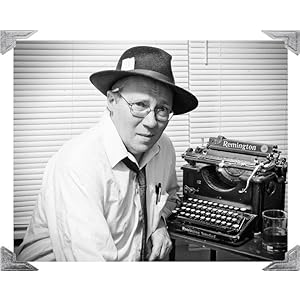
Raymond Markley has spent most of his life writing and as a teacher, helping others to become better writers. He is a retired English teacher and former soldier, who was born in Oklahoma and spent much of his life there. He is a graduate of Tulsa University and taught on the high school and college level for several decades. As an educator, he taught classes from basic to advanced writing, as well as classes in multimedia production. He worked with many students and was gratified to learn from those he taught. He is an avid lover of fiction, science-fiction, and fantasy works in literary form as well as other media. His books are published in paper, electronic, and audio versions. He is currently retired from professional life, but continues working on his ongoing series of novels. He is a parent, a grandparent, and lives in Tulsa, OK, with his spouse and three very active Boston Terriers.
Raymond Markley’s Schedule
Movie Monsters: From King Kong to Godzilla and Beyond
1933 saw the introduction of the "movie monster" that went beyond Dracula, Frankenstein and the Mummy. King Kong led to large monsters that led to dinosaurs and radiation-based creatures like Godzilla and giant insects. Monsters movies continue to this day with both Kong and Godzilla still leading the way.
Fear of the Written Word: Why Books Get Banned
Throughout history, powerful institutions have tried to suppress books and ideas they considered dangerous. From religious authorities to modern governments, censorship has taken many forms, including book burnings and bans. This panel examines the fears and motivations behind attempts to control the spread of information. How can societies defend open exchange of ideas while still confronting harmful content?
How to Really F***ing Murder a Character
Writers love a dramatic death scene, but some are far more memorable than others. In this After Dark panel, a group of authors discuss the most brutal, inventive, and unforgettable character deaths in fiction. From historical execution methods to wildly imaginative storytelling, the panel explores what makes a fictional demise truly shocking. Expect dark humor, literary examples, and plenty of spirited discussion.
It's So Bad, It's Good: Defending Your Trash
Why do some of the "worst" movies and shows become the ones we rewatch the most? Explore the thin line between a sincere failure and intentional camp, and discuss how online culture turns low-quality art into legendary cult classics. Come prepared to defend your favorite guilty pleasures against the critics.
Oceans & Kingdoms: Mastering the Art of Worldbuilding
What makes worlds like Middle-Earth and Atlantis feel alive? Great worldbuilding! This session will teach you how to craft immersive settings, from sprawling fantasy kingdoms to oceanic civilizations, and make them feel as real as our own.
Cynicism Is Easy: Why Optimistic Stories Matter
In times of uncertainty, hopeful stories can feel radical. This panel explores how narratives centered on cooperation, empathy, and shared humanity function as vital counterpoints to authoritarian themes. Discussion focuses on why optimism remains powerful in speculative fiction.